Joe Johnson
The Drover's WifeJoe Johnson is Molly Johnson’s husband and the father of her children, a drover whose work sustains the household while his violence makes home dangerous. His absences give Molly periods of relative safety with the children; his return restores the threat she has learned to endure. When he attacks her, she kills him to protect herself, but keeps his death secret, and the killing later becomes one of the charges on which she is condemned.
Identity and Household Role
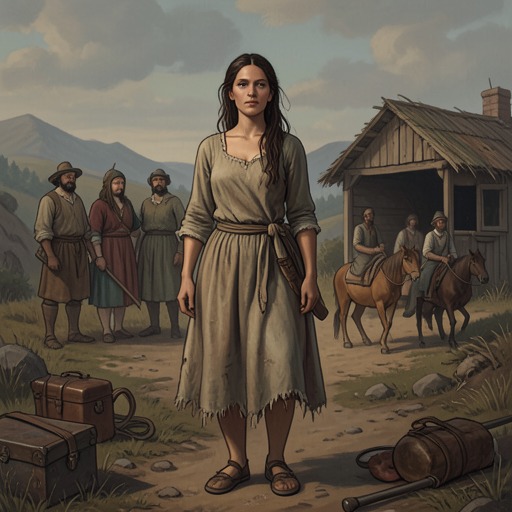
Joe lives with Molly and their four children in an isolated part of Australia’s high country, where the family depends on a shotgun for protection and has little support nearby. His work takes him north for months at a time, driving livestock. The family’s precarious circumstances make his wages important, but provision does not make him a safe presence: the account of the household establishes that life can be harder when he is at home than when he is away.
The marriage has lasted for nearly eight years by the time Molly describes its routine. Joe and his droving companions take sheep from Queensland into the high country for about three months, then bring them down before the first snowfall for sale. In the economic depression, the sheep industry is nearly gone, and a final drove of fifteen thousand sheep makes the household’s reliance on this seasonal work especially precarious. Molly regards the marriage as a duty maintained for the children rather than an affectionate partnership.
Droving and Male Companionship
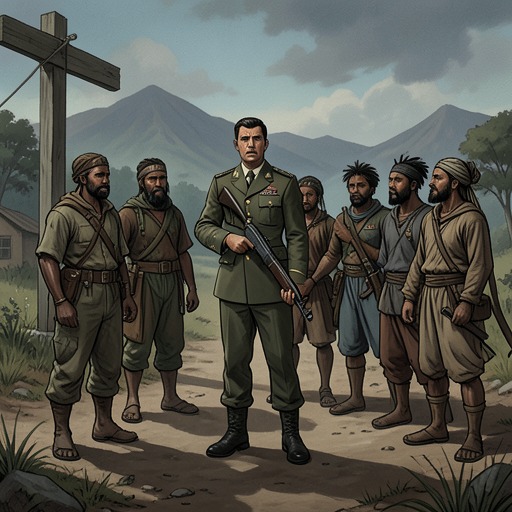
Joe’s work connects him to a wider droving world. Robert Parsen has ridden with him for a little over ten years, and the two men favor the isolated, demanding alpine routes. Their skill is renowned among drovers: losses among the livestock under their care are rare, and they are known for pushing herds toward good grazing and reaching market early to secure better prices. Parsen and Joe’s companionship is also grounded in mutual aid; they saved one another’s lives in a brawl.
That loyalty shapes Parsen’s response when he comes to Molly seeking his mate. He asks where Joe is, while Molly refuses to explain the death plainly and directs suspicion toward Joe’s relationship with another woman. Joe’s hidden body lies only a few feet away, but Molly and Yadaka reveal nothing. The difference between the public bonds of the drovers and the concealed violence inside Joe’s household makes his disappearance both a personal loss to Parsen and a dangerous secret for Molly.
Marriage and Violence
Molly describes Joe as unaffectionate and largely silent, and says she felt more at ease in the marriage when he was absent. She tolerated sexual relations because she believed they would bring her children. Her account makes clear that this was not simply a strained marriage: Joe drank, beat her, and imposed himself on her, while leaving for work afterward. His repeated absences became relief within a life otherwise organized around enduring his abuse.
Joe also had a sexual relationship with a willing woman to the west. Molly says she did not care about it because it eased the burden of going to bed with him; she identifies one day, however, when the affair did matter. During the confrontation that she later recalls to Yadaka, she found Joe with the woman and returned home with her shotgun, forcing him to leave at once because their son’s twelfth birthday had been spoiled. The scene shows how Joe’s infidelity, his neglect of family obligations, and Molly’s capacity to resist him converge, without changing the underlying imbalance of power in their marriage.
Death and Concealment
The crisis comes after Joe has been drinking and is angry about Molly’s actions earlier that day. Danny knows that such nights often end with Joe turning on his mother. During the attack, Molly pleads with Joe to think of the children; she is frightened and injured, and Joe advances with a broken bottle. She fires a single shot and kills him. Danny witnesses the killing and later tells Yadaka that his mother shot Joe between the eyes, comparing the action to her earlier shooting of the bullock. In his account, the killing is a decisive act of self-defence within a home where Joe’s violence had become routine.
Molly hides Joe’s body rather than reporting his death. When Parsen comes looking for his friend, she and Yadaka maintain the concealment even as Parsen asks directly where Joe is. Molly eventually explains the act of burial through Joe’s boots: she buried them beside him under the woodheap because, in her understanding, a man should not be buried without his boots. The boots preserve the appearance of an ordinary burial while also becoming the concrete sign of the secret she has carried.
Joe’s death does not end his influence over Molly’s life. She asks Yadaka to let her blame him for both Joe’s death and the death of Trooper Spencer Leslie, showing how the concealed killing remains bound to the danger surrounding her. At her trial, the judge lists Joe’s murder alongside the deaths of John McPharlen and the trooper. The legal account names the killing without the household history that explains why Molly fired; Joe’s abuse remains essential to understanding the act even as the court treats his death as a crime.
Droving and Male Companionship
Joe’s work connects him to a wider droving world. Robert Parsen has ridden with him for a little over ten years, and the two men favor isolated, demanding alpine routes. Their skill is renowned among drovers: losses among the livestock under their care are rare, and they are known for pushing herds toward good grazing and reaching market early to secure better prices. Parsen and Joe’s companionship is also grounded in mutual aid; they saved one another’s lives in a brawl.
That loyalty shapes Parsen’s response when he comes to Molly seeking his mate. He asks where Joe is, while Molly refuses to explain the death plainly and directs suspicion toward Joe’s relationship with another woman. Joe’s hidden body lies only a few feet away, but Molly and Yadaka reveal nothing. The difference between the public bonds of the drovers and the concealed violence inside Joe’s household makes his disappearance both a personal loss to Parsen and a dangerous secret for Molly.
Marriage and Violence
Molly describes Joe as unaffectionate and largely silent, and says she felt more at ease in the marriage when he was absent. She tolerated sexual relations because she believed they would bring her children. Her account makes clear that this was not simply a strained marriage: Joe drank, beat her, and imposed himself on her, while leaving for work afterward. His repeated absences became relief within a life otherwise organized around enduring his abuse.
Joe also had a sexual relationship with a willing woman to the west. Molly says she did not care about it because it eased the burden of going to bed with him; she identifies one day, however, when the affair did matter. During the confrontation that she later recalls to Yadaka, she found Joe with the woman and returned home with her shotgun, forcing him to leave at once because their son’s twelfth birthday had been spoiled. The scene shows how Joe’s infidelity, his neglect of family obligations, and Molly’s capacity to resist him converge, without changing the underlying imbalance of power in their marriage.
Death and Concealment
The crisis comes after Joe has been drinking and is angry about Molly’s actions earlier that day. Danny knows that such nights often end with Joe turning on his mother. During the attack, Molly pleads with Joe to think of the children; she is frightened and injured, and Joe advances with a broken bottle. She fires a single shot and kills him. Danny witnesses the killing and later tells Yadaka that his mother shot Joe between the eyes, comparing the action to her earlier shooting of the bullock. The killing is a decisive act of self-defence within a home where Joe’s violence had become routine.
Molly hides Joe’s body rather than reporting his death. When Parsen comes looking for his friend and asks where Joe is, Molly and Yadaka maintain the concealment. Molly eventually explains that she buried Joe’s boots beside him, under the woodheap, because a man should not be buried without his boots. The boots preserve the appearance of an ordinary burial while becoming the concrete sign of the secret she has carried.
Joe’s death does not end his influence over Molly’s life. She asks Yadaka to let her blame him for both Joe’s death and the death of Trooper Spencer Leslie, showing that the concealed killing remains bound to the danger surrounding her. At Molly’s trial, the judge lists Joe’s murder alongside the deaths of John McPharlen and the trooper. The legal account names the killing without the household history that explains why Molly fired; Joe’s abuse remains essential to understanding her action, even as the court treats his death as a crime.